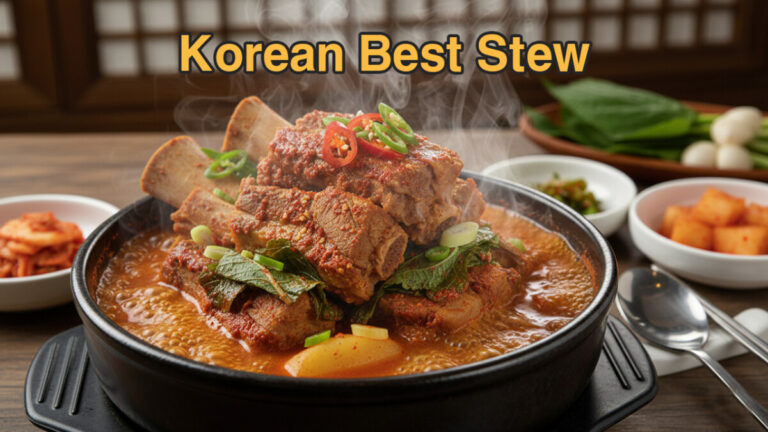

Korean Dining Table Steady Seller, Doenjang-jjigae: Why is It So Loved?
A steaming earthenware pot, the savory yet deep doenjang aroma stimulating your nose. On Korean dining tables, doenjang-jjigae is an existence beyond simple food. Whether eaten for breakfast, lunch, or dinner, it never gets boring and has the magical charm that makes you empty a bowl of rice. As if containing the joys and sorrows of our lives, it sometimes captures our tongues saltily, sometimes savory.
There’s a clear reason why doenjang-jjigae has received Korean love for such a long time. Beyond being simply delicious, it’s because it’s full of beneficial nutrients and health benefits for our bodies. Also, the slightly different doenjang-jjigae recipes in each household present diverse tastes like the diversity of our lives. Today, let’s dive deep into the charm of Korean soul food, doenjang-jjigae. From hidden nutrients in doenjang-jjigae to health benefits, and even secrets to cooking delicious doenjang-jjigae, we’ll refreshingly tell you everything you’re curious about regarding doenjang-jjigae.
What is the Identity of Doenjang-jjigae? Unraveling the Secret of Taste
Until doenjang-jjigae rises to Korean dining tables, at its center is ‘doenjang’ (soybean paste). Doenjang is a traditional Korean jang (fermented paste) made by fermenting soybeans, and is the core ingredient that produces the savory and deep taste of the stew. Doenjang-jjigae is a soup dish made by boiling various vegetables, tofu, seafood, meat, etc., based on this doenjang.
Doenjang-jjigae, The Basis of Taste is ‘Doenjang’
The taste of doenjang-jjigae varies tremendously depending on which doenjang is used. Just as the taste of doenjang made in each household differs, the taste of doenjang-jjigae also differs.
- Homemade Doenjang: Homemade doenjang carefully fermented over a long time has excellent deep and savory flavor. With natural rich flavor without artificial taste, it’s good when you want to feel the original taste of doenjang-jjigae.
- Commercial Doenjang: Recently, various types of commercial doenjang have been released, making it convenient to cook doenjang-jjigae. In addition to regular doenjang, there’s a wide range of choices according to purpose, such as ssamjang and doenjang for ssam vegetables. However, commercial doenjang may have high sodium content, so it’s good to be careful about quantity adjustment.
Characteristics by Doenjang Type:
- Meju Doenjang: Traditional doenjang made by fermenting meju made from soybeans, producing the most savory and deep taste.
- Wheat Doenjang: Doenjang made by mixing wheat, softer and sweeter than meju doenjang.
- Barley Doenjang: Doenjang made by mixing barley, characterized by unique aroma and savoriness.
Doenjang-jjigae, Side Ingredients that Create Taste Harmony
The taste of doenjang-jjigae greatly changes depending on the side ingredients that go in besides doenjang. The unique taste and texture of each ingredient blend with doenjang to create abundant flavor.
Basic Vegetables: Onions, green onions, zucchini, potatoes, mushrooms, etc., add sweetness and refreshing taste to doenjang-jjigae. Stir-frying vegetables before boiling can produce even deeper flavor.
Protein Supplementation:
- Tofu: Soft tofu neutralizes the salty taste of doenjang and adds satiety.
- Meat (Beef, Pork): Adding meat makes the broth richer and more abundant. Especially stir-frying and adding brisket or pork shoulder produces excellent rich flavor.
- Seafood (Clams, Squid, Shrimp): Seafood adds refreshing and sharp taste. Adding clams makes the broth refreshing, making seafood doenjang-jjigae very popular.
Spiciness Provider: Cheongyang peppers, red peppers, and red pepper powder add sharp taste to doenjang-jjigae, capturing greasiness.
Doenjang-jjigae, Secrets to Adding Depth of Taste
- Anchovy Kelp Broth: Using broth made with anchovies and kelp instead of plain water makes the broth depth different.
- Stir-frying Vegetables: Before adding doenjang, lightly stir-frying vegetables like onions, zucchini, and mushrooms first brings out the ingredients’ sweetness and deepens the flavor.
- Last Spoonful: Adding minced garlic, red pepper powder, pepper, etc., to taste to the boiling doenjang-jjigae allows more delicious enjoyment.
- Utilizing Homemade Doenjang: If possible, mixing some homemade doenjang can produce deep and savory taste without artificial flavor.
Amazing Nutritional Components and Health Benefits of Doenjang-jjigae
Doenjang-jjigae is a healthy food full of beneficial nutritional components for our bodies, beyond being simply delicious. Various beneficial components generated during doenjang’s fermentation process are absorbed into our bodies through doenjang-jjigae.
1. Treasure of Protein, Power of Soybeans
Soybeans, the main ingredient of doenjang, are a treasure of complete protein. Soy protein evenly contains essential amino acids needed by our bodies, helping muscle creation and maintenance, and immunity strengthening. Also, soybeans are rich in dietary fiber, effective in promoting intestinal health and preventing constipation.
2. Magic of Fermentation, Probiotics
Doenjang is made through microbial fermentation. During this process, probiotics (lactic acid bacteria) are abundantly generated, which has excellent effects in helping the proliferation of beneficial intestinal bacteria and suppressing harmful bacteria to improve intestinal health. A healthy intestine has positive effects not only on improving digestive function but also on immunity enhancement and even skin health.
3. Treasure of Antioxidant Components, Isoflavones
Isoflavones abundant in soybeans have powerful antioxidant action. Isoflavones can help prevent chronic diseases by removing free radicals, the main culprit of aging, and preventing cell damage. In particular, having a structure similar to estrogen, a female hormone, it’s known to be effective in alleviating menopausal symptoms.
4. Anti-cancer Effect and Cardiovascular Disease Prevention
Peptide components contained in doenjang are being researched for anti-cancer effects. Also, lecithin components in doenjang can help prevent cardiovascular diseases by lowering blood cholesterol levels and improving vascular health. Saponin components in doenjang also contribute to health promotion through antioxidant and anti-inflammatory actions.
5. Balance of Vitamins and Minerals
Various vegetables and side ingredients in doenjang-jjigae abundantly supply vitamins and minerals. Vegetables like potatoes and zucchini provide vitamin C and potassium, tofu provides calcium and iron, and seafood provides zinc and iodine. These nutrients are essential for smoothly operating our body’s metabolism and maintaining various physiological functions.
6. Potassium that Helps Sodium Excretion
Although doenjang-jjigae has high sodium content, abundant potassium components in vegetables help sodium excretion. Therefore, when eating doenjang-jjigae, it’s good to consume various vegetables sufficiently.
Doenjang-jjigae, Try Cooking It This Way! Like a Restaurant at Home
Now it’s time to learn how to cook delicious doenjang-jjigae at home. With just a few tips, anyone can complete doenjang-jjigae with deep and savory taste.
1. Basic Ingredient Preparation
- Doenjang: Homemade doenjang 2-3 tablespoons, commercial doenjang 1.5-2 tablespoons (adjust according to doenjang’s saltiness)
- Broth: 5-6 anchovies, 1 piece of kelp (about 3-4 cups worth)
- Vegetables: Onion 1/4, zucchini 1/4, potato 1/2, green onion a little, Cheongyang pepper 1 (optional)
- Protein: Tofu 1/2 block, brisket or pork shoulder 100g (optional)
- Seasonings: Minced garlic 1/2 tablespoon, red pepper powder 1/2 tablespoon (optional)
2. Cooking Order
- Making Broth: Put 4 cups water, anchovies, and kelp in a pot and boil for about 10 minutes. Remove kelp when it starts boiling. Boil anchovies for about 15-20 more minutes and remove.
- Stir-frying Vegetables: Lightly coat pot with cooking oil and lightly stir-fry onions, zucchini, potatoes, and meat. (If adding meat, stir-fry only until the surface is cooked.)
- Dissolving Doenjang: Pour broth into stir-fried vegetables and dissolve doenjang through a strainer. Must dissolve well without lumps for clean broth.
- Boiling: Boil on high heat, then when it boils, reduce to medium-low heat and simmer for about 10-15 minutes. Boil until potatoes and zucchini are softly cooked.
- Adding Side Ingredients: Add tofu, minced garlic, and red pepper powder and boil once more. (If adding Cheongyang pepper, add at this time.)
- Finishing: Finally, add green onion and boil slightly more to complete.
3. Delicious Doenjang-jjigae Tips
- Adjusting Doenjang Amount: Since doenjang’s saltiness differs by product, it’s better to add gradually while adjusting seasoning rather than adding a lot from the beginning.
- Stir-frying Vegetables: Stir-frying vegetables in advance brings out sweetness and deepens the broth.
- Importance of Broth: Using anchovy kelp broth produces much deeper taste than plain water.
- One Spoonful of Gochujang: Adding about one spoonful of gochujang to doenjang-jjigae adds sharp yet rich flavor.
- Utilizing Homemade Doenjang: If possible, mixing some homemade doenjang can produce more savory and deep taste.
Doenjang-jjigae, Please Be Careful of This!
Although doenjang-jjigae is excellent in both taste and nutrition, there are a few things to be careful about.
- Excessive Sodium Intake: Since doenjang itself has high sodium content, it’s important to control intake. Especially those with conditions like high blood pressure should be more careful. It’s good to add sufficient vegetables to help sodium excretion.
- Excessive Seasoning Use: It’s important to bring out doenjang’s original taste. It’s better to create taste with fresh ingredients and sincerity rather than artificial seasonings.
- Doenjang Storage: It’s good to refrigerate doenjang. Since it can deteriorate when in contact with air, store in an airtight container.
Conclusion: Always on Korean Dining Tables, Doenjang-jjigae
Doenjang-jjigae is a precious food containing Korean emotions and culture, beyond simple food. With savory doenjang taste along with beneficial nutrients and health effects for our bodies, doenjang-jjigae is Korean soul food that never gets boring even when eaten daily.
How about regaining lost appetite and maintaining health with a warm bowl of doenjang-jjigae for dinner tonight?
Try It Right Now Today!
- Cooking Doenjang-jjigae with Doenjang at Home: Try cooking doenjang-jjigae directly at home using tips learned today.
- Adding Plenty of Various Vegetables: Try balancing nutrition by adding more vegetables than usual to doenjang-jjigae.
- Tasting Homemade Doenjang: If you have the opportunity, taste doenjang-jjigae cooked with directly made homemade doenjang and feel the traditional taste.