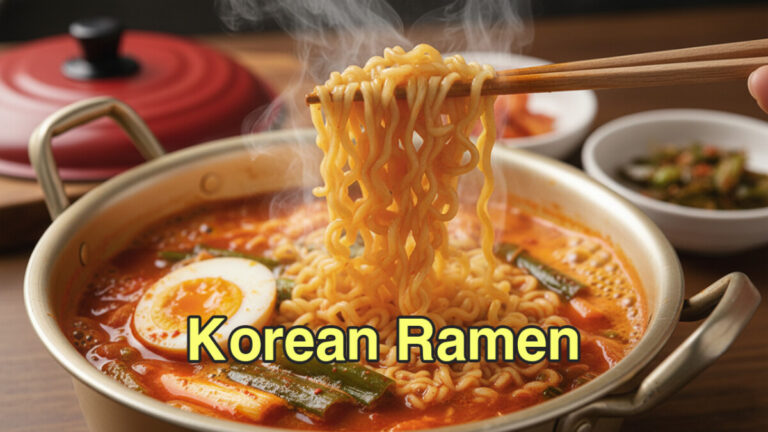

Introducing Korean Soul Food, Gamjatang and Ppyeo-haejangguk
Welcome to Korea! There are foods you can easily find anywhere in Korea and that all Koreans love. They are ‘Gamjatang’ and ‘Ppyeo-haejangguk.’ At first glance they may look similar, but do you want to properly introduce these two foods with slightly different charms to your foreign friends? Don’t worry. Through this article, we’ll tell you everything about Gamjatang and Ppyeo-haejangguk.
Gamjatang vs Ppyeo-haejangguk, What’s the Difference?
Many people think Gamjatang and Ppyeo-haejangguk are the same food. Of course, both share the commonality of using pork spine as the main ingredient and boasting spicy broth, but there are slight differences.
- Gamjatang: As the name suggests, it’s characterized by containing ‘potatoes’ (gamja). It’s boiled thoroughly with pork spine along with plenty of potatoes, dried cabbage leaves (ugeoji), and perilla powder. The fluffy texture of potatoes and the nuttiness of perilla powder add to create a richer taste. The broth sometimes gives a clearer and more refreshing feeling than Ppyeo-haejangguk.
- Ppyeo-haejangguk: It’s easy to think of it as soup mainly focused on ‘bones’ (ppyeo). Pork spine is boiled to extract the broth, and seasonings like gochujang, doenjang, and red pepper powder are dissolved to make it spicy. The fun of picking off the meat attached to the bones is great, and it’s perfect as a hearty meal with rice. Compared to Gamjatang, the broth tends to be richer and sharper.
Of course, cooking methods or ingredients used may vary slightly by restaurant, so this distinction is not absolute. However, generally it’s good to understand that Gamjatang focuses on potatoes, while Ppyeo-haejangguk focuses more on the meat attached to bones.
Into the Charm of Gamjatang and Ppyeo-haejangguk
Are you curious why these two foods receive Korean love? The reason lies in their generosity and deep flavor.
- Generosity: Large pork spines are generously included, so filling just looking at them. There’s also the fun of picking off meat attached to bones, and when you mix rice in the broth, a hearty meal is completed.
- Deep and Spicy Broth: The broth extracted by thoroughly boiling pork spine for a long time boasts deep and rich taste. Various seasonings like red pepper powder, garlic, and ginger are added to create Korea’s unique spicy and sharp taste. When eaten in cold weather, you can feel your body naturally warming up.
- Various Side Ingredients: Fresh vegetables like potatoes, dried cabbage leaves, dried radish greens, perilla leaves, and mushrooms are generously added to make the broth taste even richer. Especially the savory taste of dried cabbage leaves or dried radish greens boasts a fantastic match with Ppyeo-haejangguk.
Gamjatang & Ppyeo-haejangguk You Can Enjoy Anywhere in Korea
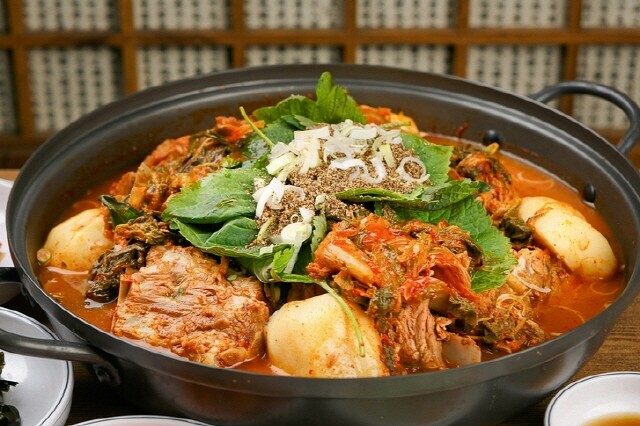
Gamjatang and Ppyeo-haejangguk are popular enough to be called Korea’s ‘soul food.’ In almost all regions of Korea, you can easily find restaurants specializing in Gamjatang or Ppyeo-haejangguk, even in small neighborhoods.
- From Busy Areas to Neighborhood Alleys: You can discover delicious Gamjatang restaurants not only in Seoul’s busy areas but also in small alleys of provincial small cities. This means it’s such an everyday menu for Korean people.
- 24-Hour Operating Restaurants: There are many 24-hour operating restaurants where you can enjoy warm Gamjatang or Ppyeo-haejangguk even late at night or early morning. You can visit without burden whenever you’re hungry or want to cure a hangover.
- Reasonable Price: Prices are reasonable compared to the generous portions. It’s good to eat alone, or it becomes a hearty meal even when several people sit around together.
How to Enjoy Gamjatang & Ppyeo-haejangguk Deliciously
If you want to properly show your foreign friends the taste of Korea, it’s good to also tell them how to eat this food.
- Picking Off Meat Attached to Bones: Carefully pick off the tender meat attached to bones using chopsticks or a spoon. It’s hot, so it’s good to be careful.
- Mixing Rice in Broth: Mixing rice in the spicy and deep broth is a must-do course. It’s a combination everyone who is Korean loves.
- Utilizing Side Dishes: It’s more delicious when eaten with basic side dishes provided like kimchi, kkakdugi (radish kimchi), and pickled radish. Especially Ppyeo-haejangguk eaten with kkakdugi is truly excellent.
- Finishing Fried Rice (Gamjatang): Fried rice made by adding rice, kimchi, and seaweed powder to the remaining broth after eating all the Gamjatang is a delicacy. Be sure to experience it at Gamjatang restaurants!
Precautions and Tips
- Adjusting Spiciness: Korean food is often spicy. Gamjatang and Ppyeo-haejangguk are also on the spicy side, so if you can’t eat spicy food well, check when ordering if spice level adjustment is possible. (Possibility varies by restaurant.)
- Eating While Holding the Bone: When it’s difficult to eat all the meat attached to the bone, it’s okay to hold the bone and bring it to your mouth to pick off the meat. It’s a natural sight in Korea.
- Where to Discard Bones: Neatly collect leftover bones in a trash can or empty plate provided on one side of the table.
Gamjatang & Ppyeo-haejangguk, Recommended for These People!
- Those Who Want a Generous and Hearty Meal: If you’re looking for food with large portions and delicious taste, Gamjatang and Ppyeo-haejangguk are definitely it.
- Those Who Like Spicy and Hot Broth: The best menu to warm your body in cold weather.
- Those Who Want to Experience Traditional Korean Taste: Feel Korean food culture through Korean soul food.
- Those Who Need a Hangover Cure: If you drank too much the night before, nothing beats Ppyeo-haejangguk as a hangover cure the next day.
Conclusion
Gamjatang and Ppyeo-haejangguk are foods representing Korea and soul food that has been with Korean life. This food, where generous pork spine, deep and spicy broth, and fresh vegetables blend, will present an unforgettable Korean culinary experience to foreign friends as well. You can easily taste it anywhere in Korea, so if you’re traveling in Korea, we strongly recommend trying it at least once.
- Tip 1: Look for neighborhood restaurants that locals enjoy visiting.
- Tip 2: Request in advance if spice level adjustment is possible.
- Tip 3: Be sure to enjoy the fried rice too!