Gyeongbokgung Palace
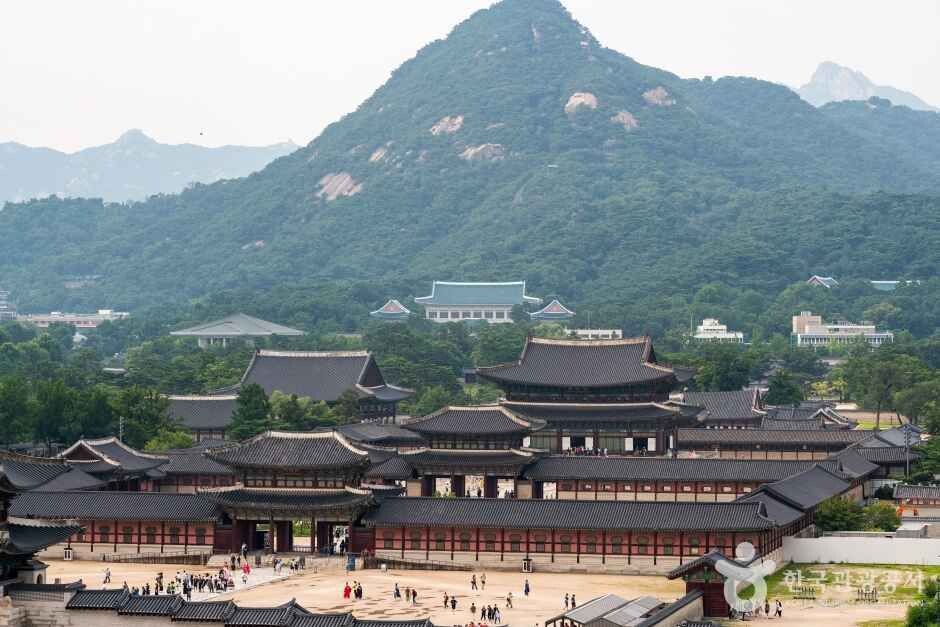
Standing proudly in the heart of Seoul, Gyeongbokgung Palace is not merely an old building. It is a historic space that has witnessed the rise and fall of the Joseon Dynasty for over 500 years and serves as one of Seoul’s most iconic landmarks today. As the name Gyeongbokgung itself means “wishing great blessings,” it boasts the majesty and beauty befitting its status as the Beopgung (法宮, the main royal palace where the king conducted state affairs and lived).
Gyeongbokgung was the first palace built in 1395 when King Taejo Yi Seong-gye founded the Joseon Dynasty and moved the capital to Hanyang. Since then, it has stood at the center of numerous historical events. Though it suffered the pain of destruction during the Japanese invasions of Korea (Imjin War), it was reconstructed during King Gojong’s reign under the leadership of Heungseon Daewongun, regaining its former glory. Despite enduring hardships during the Japanese colonial period when much of it was damaged, ongoing restoration projects have helped restore its magnificent appearance.
Gyeongbokgung is not simply a museum showcasing the past. It is a living heritage that demonstrates the essence of traditional Korean architecture and a space filled with countless stories and meanings. To properly understand and enjoy Gyeongbokgung, understanding its historical background and major architectural structures is essential.
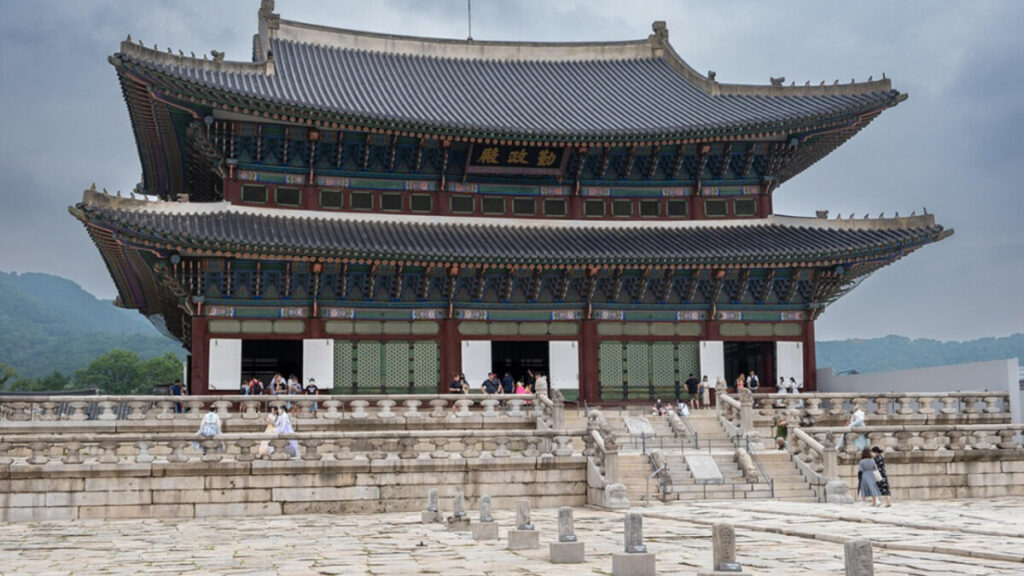
Why Is Gyeongbokgung Special?
What makes Gyeongbokgung stand out among Seoul’s many palaces?
Symbolism as Joseon’s Beopgung: Unlike other palaces that served as residences for royal family members or had separate purposes, Gyeongbokgung was the only Beopgung where solely the king resided and conducted national affairs. Therefore, the architecture and layout of Gyeongbokgung were designed to symbolize the authority and dignity of the Joseon Dynasty.
Magnificent and Harmonious Architectural Aesthetics: Gyeongbokgung fully embodies the beauty of traditional architecture that emphasizes bilateral symmetry, stability, splendor, and harmony with nature. Major structures such as Geunjeongjeon and Gyeonghoeru are considered representative architectural works that showcase the beauty of Korean architecture to the world.
A Living Historical Site: The pain endured through turbulent times such as the Japanese invasions and the Japanese colonial period, along with its restoration history, makes Gyeongbokgung even more special. Its current form is not simply a restoration of the old, but demonstrates efforts to heal historical wounds and revive past glory.
Haven for Hanbok Experiences: Recently, Gyeongbokgung has become an essential destination for hanbok experiences among domestic and international tourists, as wearing hanbok grants free admission. Taking memorable photos in hanbok with the beautiful palace as a backdrop is another joy of visiting Gyeongbokgung.
Enjoying Gyeongbokgung Properly: Essential Pre-Visit Checklist
If you’re planning to visit Gyeongbokgung, here’s some information that will help you have a more fulfilling time.
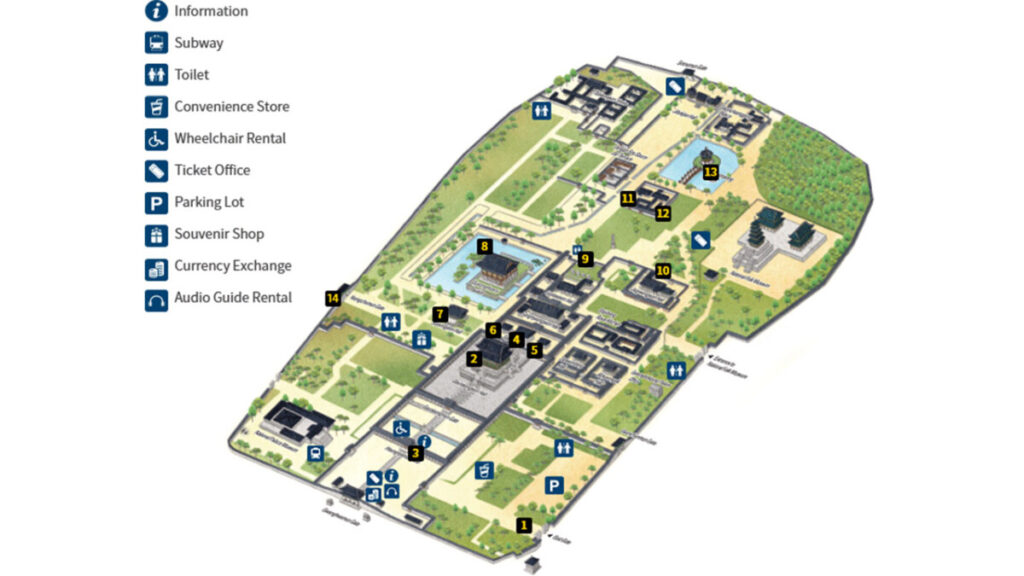
1. Admission Fees and Visiting Hours: Check in Advance!
Admission Fees:
- Free admission for those under 24 years old, over 65 years old, and on the last Wednesday of each month (“Culture Day”)
- Free admission when wearing hanbok (Note: Fusion hanbok or excessively modified hanbok may be excluded)
- General adult admission fee: 3,000 won
- Integrated Pass: A pass (10,000 won) allowing free visits to five major palaces (Gyeongbokgung, Changdeokgung including Secret Garden, Changgyeonggung, Deoksugung, Gyeonghuigung) and Jongmyo Shrine within 3 months. Useful if planning to visit multiple palaces.
Visiting Hours:
- Summer season (March-October): 9:00 AM – 6:00 PM
- Winter season (November-February): 9:00 AM – 5:00 PM
- Closed: Every Tuesday
- Entry closes 1 hour before closing time
- Night Opening: Night openings are held during specific periods, so it’s recommended to check the official website for the latest information before visiting.
2. Hanbok Rental: Creating Special Memories
One of the highlights of visiting Gyeongbokgung is undoubtedly the hanbok experience. Taking photos in beautifully dressed hanbok with the gorgeous palace as a backdrop creates unforgettable memories.
Hanbok Rental Shops: There are numerous hanbok rental shops around Gyeongbokgung. They stock hanbok in various designs and colors, and hair accessories and props are also available for rent.
Rental Cost: Prices vary depending on rental duration (usually 2-4 hours or full day) and included services, but typically range from 15,000 to 30,000 won.
Tips:
- Book in Advance: Popular rental shops and weekends/holidays require advance booking.
- Various Designs: Choose hanbok that suits your taste, from traditional designs to modernly reinterpreted ones.
- Consider Comfort: Since you’ll be wearing it while walking around for a long time, comfort is as important as design.
- Photo Services: Consider using photo services provided by rental shops or nearby photo studios.
3. Exploring Major Buildings of Gyeongbokgung: Finding Hidden Stories
Since Gyeongbokgung is vast, it’s efficient to tour focusing on the major buildings.
Gwanghwamun: The main gate of Gyeongbokgung, with an impressive and majestic appearance. The Guard Changing Ceremony is held daily at 10:00 AM and 2:00 PM, so it’s good to time your visit accordingly.
Heungnyemun: The second gate that appears after passing Gwanghwamun.
Geunjeongjeon: The central hall of Gyeongbokgung where important state ceremonies were held. Its grand and splendid appearance conveys the dignity of the Joseon Dynasty.
- Tip: Experience the king’s authority through the rank stones (Pumgyeseok) in the courtyard of Geunjeongjeon.
Sajeongjeon: The office hall where the king conducted daily state affairs. It has a more cozy and practical feel than Geunjeongjeon.
Gangnyeongjeon: The king’s private quarters. You can imagine it was the king’s daily living space.
Gyotaejeon: The queen’s quarters, located behind Gangnyeongjeon. It has a beautiful rear garden called Amisan.
Gyeonghoeru: A beautiful pavilion built over a pond, used for entertaining foreign envoys and hosting banquets. Considered the highlight of Gyeongbokgung, its reflection in the pond is especially beautiful.
- Tip: You can tour the interior by applying for special admission to Gyeonghoeru (advance reservation required).
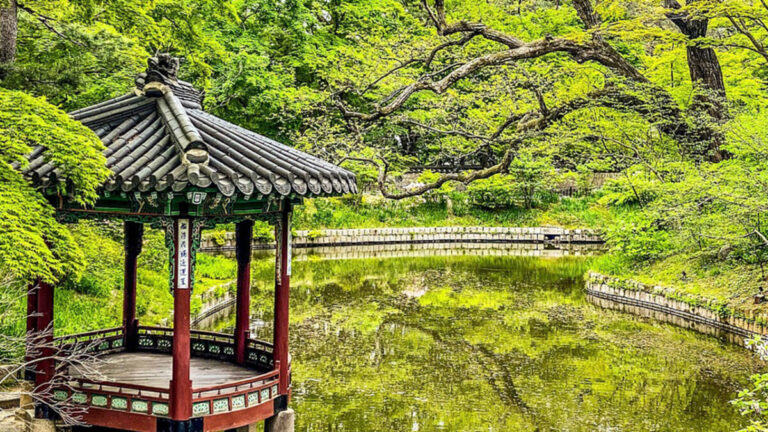
Hyangwonjeong: A beautiful pavilion in the northern rear garden of Gyeongbokgung. Located on an island in the middle of a pond, it boasts beautiful scenery in all four seasons.
National Palace Museum of Korea: Located within Gyeongbokgung, where you can view relics of the Joseon royal family.
4. Recommended Gyeongbokgung Tour Routes
Since Gyeongbokgung is large, it’s good to plan your route based on your interests and available time.
Essential Route (2-3 hours): Gwanghwamun → Heungnyemun → Geunjeongjeon → Sajeongjeon → Gangnyeongjeon → Gyotaejeon → Gyeonghoeru → Hyangwonjeong
History/Architecture Focus Route (3-4 hours): Essential route + National Palace Museum visit, Gyeonghoeru special tour (if reserved)
Hanbok Experience Route (2-3 hours): Wear hanbok from a rental shop, then take memorable photos in front of major halls of Gyeongbokgung (Geunjeongjeon, Gyeonghoeru, Hyangwonjeong, etc.)
5. Common Mistakes and Precautions When Visiting Gyeongbokgung
Hanbok for Free Admission: Not all types of hanbok qualify for free admission. Be aware that excessively modified or fusion-style hanbok may be denied entry.
Check Closed Days: Gyeongbokgung is closed every Tuesday. Be sure to check closed days before visiting.
Large Grounds: Gyeongbokgung is very spacious. Wear comfortable shoes and bring plenty of water.
Reservation Required: Some programs such as the special Gyeonghoeru tour require advance reservation. Check availability through the official website before visiting.
Guide Dogs: The National Palace Museum and some areas inside Gyeongbokgung restrict pets except for guide dogs.
Attractions and Activities Around Gyeongbokgung
Exploring the surrounding area before or after visiting Gyeongbokgung will make for an even richer Seoul trip.
Gwanghwamun Square: Located right in front of Gyeongbokgung, the square features statues of King Sejong and Admiral Yi Sun-sin. Various events and performances are also held here.
Seochon/Bukchon Hanok Village: Traditional hanok villages located to the west and north of Gyeongbokgung, where you can stroll along quiet alleyways and appreciate the beauty of traditional Korean houses.
Samcheong-dong: Close to Gyeongbokgung’s north gate, Samcheong-dong is filled with charming cafes, galleries, and restaurants.
Insadong: Insa-dong, where traditional tea houses, craft shops, and galleries gather, is a great place to experience Korean traditional culture.
Gyeongbokgung, Value Beyond
Gyeongbokgung is more than just a tourist attraction; it’s a precious space where you can experience Korean history and culture. Feel the breath of the Joseon royal family from 500 years ago within the magnificent architecture, and create special memories dressed in beautiful hanbok. Especially if visiting with foreign friends, it will be the best place to properly showcase Korean elegance and history.
Conclusion:
Gyeongbokgung is a must-visit destination I’d recommend to anyone visiting Seoul. If you carefully check admission fees, visiting hours, hanbok rental information, etc., before your visit and plan your route according to your interests, you’ll be able to fully appreciate the historical value and beauty of Gyeongbokgung. Create unforgettable memories dressed in hanbok amidst the serene scenery of Gyeongbokgung.
EXTERNAL_LINKS: