
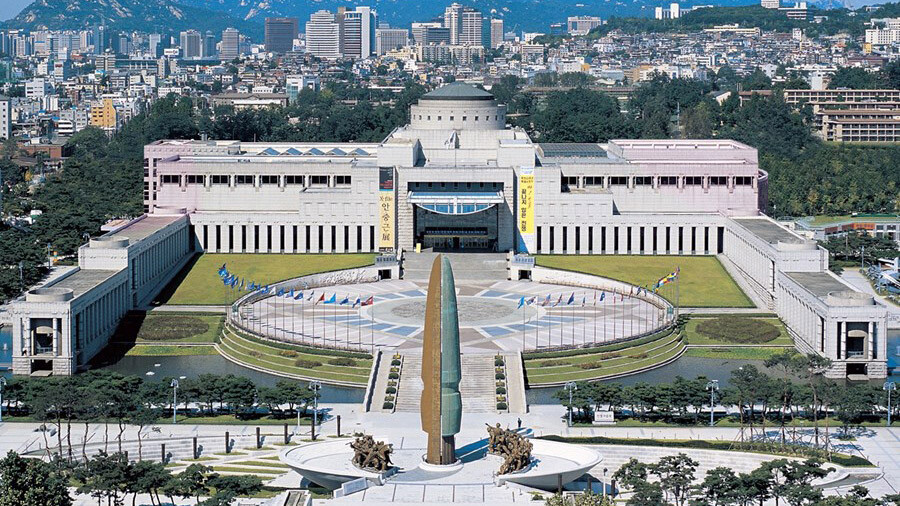
Why Should You Visit the War Memorial of Korea?
The War Memorial of Korea in Yongsan is more than just a place to remember past wars; it is a space that awakens the preciousness of peace for those of us living in the present. It vividly captures the pain of the Korean War, the process of overcoming it, and the development of the Republic of Korea. It is a place where anyone, young or old, can spend a meaningful time. In particular, it plays a crucial role in fostering a deep understanding of history and delivering a message of peace to future generations.
Why Visit the War Memorial Now?
Many people think of the War Memorial as a difficult or heavy place, but once you visit, you will find it to be a surprisingly interesting and moving experience. The Korean War symbolizes the pain of national division and continues to affect our lives to this day. The War Memorial exhibits these historical facts objectively and systematically, helping visitors understand history correctly and reflect on the importance of peace. Furthermore, immersive exhibits using the latest technology and various hands-on programs make it an attractive destination for the younger generation who might find traditional history studies boring.
What You Can Gain from This Post
This article is a comprehensive guide for anyone planning a visit to the War Memorial of Korea in Yongsan. It helps you understand the core exhibition contents in advance so you can plan an efficient visit and highlights the main points you must not miss. Additionally, it provides detailed practical information such as location, how to get there, and parking info to minimize any inconvenience. Finally, it includes tips and precautions to ensure your visit is a rich and meaningful experience.
Exploring the Core Exhibits of the War Memorial
The War Memorial of Korea consists of indoor exhibition halls and an outdoor exhibition area. Each space tells the story of history in chronological order, from the outbreak of the Korean War to the armistice and the path the Republic of Korea has taken since then.
1. Indoor Exhibition Halls: Everything About the Korean War
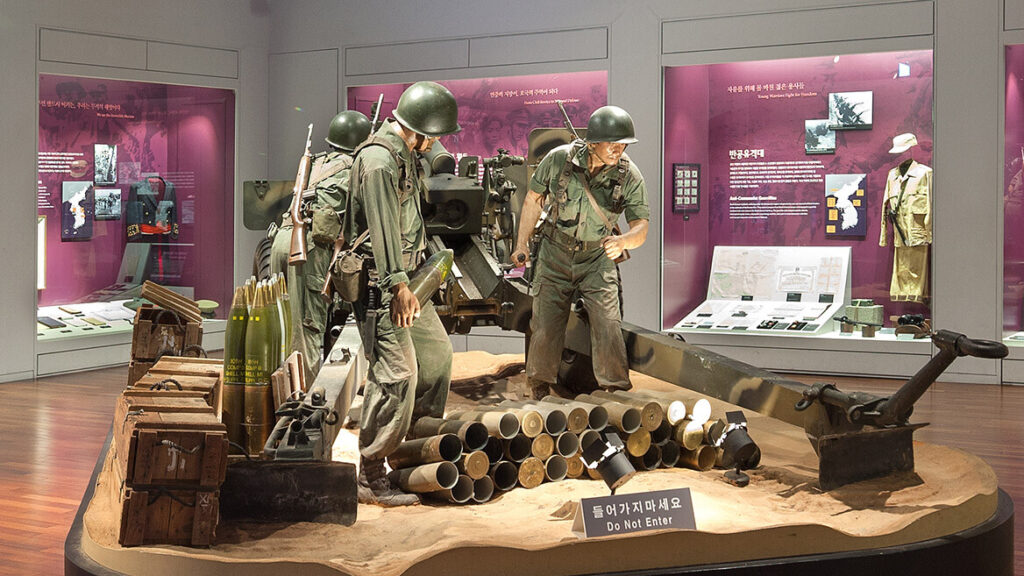
The indoor galleries showcase the horrors of the era and heroic sacrifices through various artifacts, photos, records, and vivid testimonies related to the progression of the June 25th War.
- The Prelude to War (Pre-outbreak): This exhibit shows the international and domestic situation leading up to the Korean War. You can understand the complex process from the Japanese colonial period to liberation and the division of North and South.
- The Korean War: This section covers the entire process of the war, including its start, major battles, the participation of UN forces, and the intervention of the Chinese army. Weapons, uniforms, and personal items used at the time are displayed. A key feature is the visual representation of major battles through models and video materials.
- Armistice Agreement: This shows the process of how the war stopped and the situation afterward. You can glimpse the complex history of negotiations at Panmunjom and the creation of the Military Demarcation Line.
- Post-War Recovery and Development: This exhibit shows how the Republic of Korea was rebuilt and developed from the ruins of war, covering the processes of industrialization and democratization.
- ROK Armed Forces Development Room: A space showing the history and status of how the Republic of Korea’s military was founded and developed.
- Trials of Peace: This shows the ongoing security situation on the Korean Peninsula and efforts to build peace, including North Korean provocations and the longing for peaceful reunification.
2. Outdoor Exhibition: A Grand Parade of Military Equipment
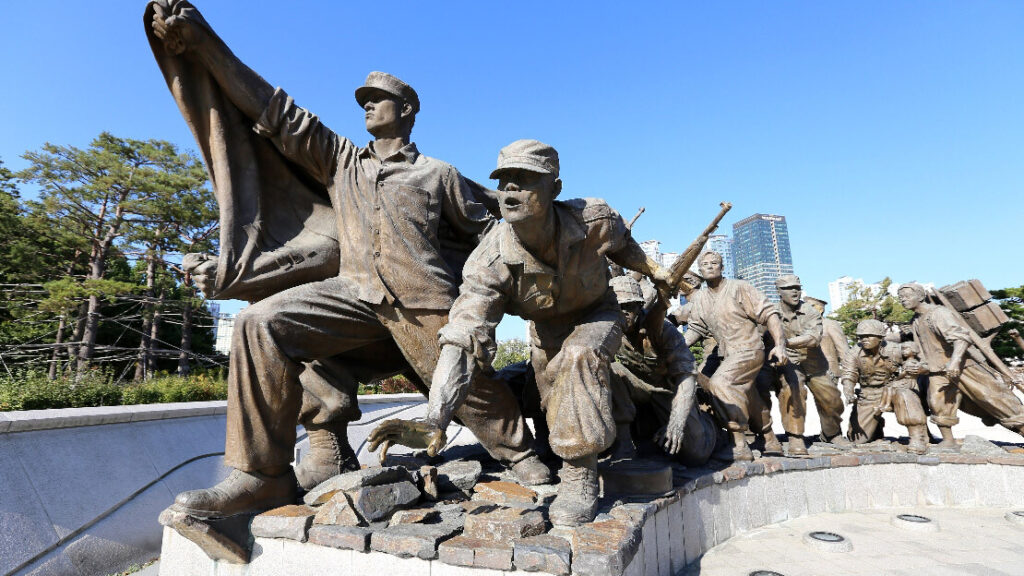
Large-scale military equipment used during the Korean War is displayed outdoors. You can see and touch various weapons like tanks, armored vehicles, aircraft, and vessels, making it very popular with children.
- Aircraft: Various fighters and transport planes operated by the ROK Air Force are on display.
- Tanks and Armored Vehicles: Living artifacts showing the history of ground combat during the Korean War.
- Vessels: Ships used by the Navy are also exhibited, offering a look into the history of maritime operations.
- Other Weapons: Various cannons and missiles provide great sights for military enthusiasts.
Must-See Points at the War Memorial
- Vivid Records of the Korean War: Photos and videos capturing the horrors of war and heroic sacrifices provide deep emotions that text alone cannot convey. Try to imagine the stories behind the faces in the black-and-white photos.
- The UN Forces Participation Monument: This monument honors veterans from the 16 countries that fought in the Korean War. Look at the tombstones engraved with each country’s flag and remember their sacrifice.
- Utilize Interactive Exhibits: Models and dioramas recreating major battle scenes help you easily understand the complex war process. If available, try the VR experiences to increase your historical immersion.
- Feel the Grandeur of the Outdoor Area: Taking commemorative photos in front of life-sized tanks and fighter jets is a special memory for both children and adults.
Practical Information: Location and Transportation
- Address: 29, Itaewon-ro, Yongsan-gu, Seoul
- Subway: * Line 4 or Gyeongui-Jungang Line (Ichon Station): Exit 2, walk 10–15 mins.
- Line 6 (Noksapyeong Station): Exit 1, walk 15–20 mins (uphill).
- Bus: Blue Bus (150, 151, 152, etc.), Green Bus (0012, 0013), and more stop nearby.
- Parking: Paid parking is available (2,000 KRW for the first hour, 1,000 KRW per 30 mins after). Spaces can be tight on weekends, so public transport is recommended.
Tips and Precautions for Your Visit
- Check Opening Hours: Generally 09:30 AM – 06:00 PM. It is open year-round but check the website for holidays like Seollal or Chuseok.
- Wear Comfortable Shoes: You will be walking a lot across a vast area.
- Indoor Etiquette: Do not touch exhibits, no food or drinks inside, and be quiet for other visitors. Photography is allowed, but flash is prohibited in certain areas.
- Safety Outdoors: Be careful around sharp or slippery parts of the large military equipment, especially when accompanying children.
EXTERNAL_LINKS: The official website of the War Memorial of Korea