Why Is Korea’s Public Transportation Transfer System Important?
Korea boasts one of the world’s highest public transportation usage rates. Especially in urban areas, people often use various transportation methods in connection, such as subways, buses, and metropolitan railways. The ‘transfer system’ plays a key role here. The transfer system goes beyond simply switching between transportation methods, reducing the fare burden based on travel distance and enabling faster and more efficient movement.
Transfer System: Don’t Lose Out from Not Knowing!
Many people use the transfer system without properly understanding the exact principles or discount benefits. Through this article, we’ll dig into everything about Korea’s public transportation transfer system to help make your travel experience smarter and more economical. Learn right now about everything from transfer fare discount principles to finding optimal transfer routes and transportation card usage tips!
Basic Principles of Korea’s Public Transportation Transfer System
Korea’s public transportation transfer system is designed to maximize user convenience and economy. The biggest feature is that when transferring to another transportation method within a certain time and distance, additional fares are waived or discounted.
How Are Transfer Fare Discounts Applied?
In most cities, only the fare for the last transportation method used at the time of alighting is charged. In other words, even if you transfer multiple times, you only need to pay the higher of the initial boarding fare and final alighting fare. However, note that in some regions or for certain transportation methods (e.g., intercity buses, express buses), transfer fare policies may differ.
Transfer Time and Distance Limits:
General Transfer: Usually applies when transferring to another transportation method within 30 minutes after alighting.
Late Night Hours (Midnight ~ 7 AM): During this time, the transfer time is often extended to 1 hour.
Distance Restrictions: In certain areas, there may be conditions that you must be within a certain distance when transferring.
Important: There are often no limits on the number of transfers themselves, but re-boarding the same route or same transportation method is not considered a transfer. For example, getting off the subway and boarding the same subway line again does not qualify for transfer discounts.
The Core of the Transfer System: Transportation Cards
Korea’s transfer system operates based on transportation cards. You cannot receive transfer discounts with regular cash payment, so you must use a transportation card.
Main Transportation Card Types:
T-money: The most representative transportation card compatible nationwide. Easy to purchase and recharge at convenience stores, subway stations, kiosks, etc.
Cashbee: Like T-money, compatible nationwide and more widely used in certain regions (mainly Yeongnam area).
Mobile Transportation Card (Smartphone): You can install apps like Mobile T-money and Mobile Cashbee on smartphones with NFC functionality. Can be used by simply tagging with your smartphone without a physical card.
Credit/Debit Cards: Some credit and debit cards include postpaid transportation card functions. Usage is billed to your card statement.
Precautions When Using Transportation Cards:
Tag Accurately on Terminal: You must tag your card on the transportation card terminal when boarding and alighting. If you don’t tag, fares may not be properly settled or you may not receive transfer discounts.
Check Balance: For prepaid transportation cards, boarding may be refused if balance is insufficient, so it’s good to recharge in advance.
Dealing with Loss: If you lose your transportation card, it’s difficult to recover the balance without reporting the loss. T-money, Cashbee, etc., allow loss reporting through their websites or apps.
How to Use Transfers More Smartly
Now that you understand the basic principles of the transfer system, let’s learn how to use transfers more efficiently.
Finding Optimal Transfer Routes
1. Using Map Apps:
The easiest and fastest way to find optimal transfer routes is using map apps like Naver Map, Kakao Map, and Google Maps. When you set your destination and select the public transportation option, they recommend optimal routes comprehensively considering estimated travel time, total fare, number of transfers, transfer station information, etc.
Tip: You can find more customized routes by setting preferred conditions like ‘minimum transfers’ or ‘minimum walking’ in app settings.
2. Using Public Transportation Information Apps:
Using each region’s public transportation information apps (e.g., Seoul Public Transportation, Busan Bus Information, etc.) allows you to check real-time arrival information, route information, and optimal transfer routes in more detail.
3. Understanding Transfer Station Information in Advance:
Transfer station structures can be very complex. Understanding the platform location, exit information, and transfer route of the station you’ll transfer at in advance through apps can save significant time. This prior information is especially helpful at large transfer stations or stations where multiple lines overlap.
Time-Saving Tips When Transferring
Predict Arrival Times: Use real-time arrival information apps to plan to arrive at the platform or stop just before the bus or subway arrives.
Use Fast Transfer Routes: Understand and use the fastest and easiest transfer routes within transfer stations in advance. Utilizing guidance signs is important.
Avoid Crowded Hours: During crowded times like rush hours, travel time during transfers can lengthen. Avoiding these times when possible is also a good method.
Regional Transfer System Characteristics and Precautions
Korea’s public transportation transfer system follows basic principles that apply nationwide, but there are slight differences by region.
Metropolitan Area (Seoul, Gyeonggi, Incheon)
Most Developed Transfer System: Transfers between various transportation methods such as subways, metropolitan railways, city buses, and village buses are very convenient.
Transfer Time: Basically transfers within 30 minutes, extended to 1 hour during late-night hours.
Fare System: Fares are charged based on additional distance beyond the initial base fare.
Precaution: When transferring between Seoul city buses and Gyeonggi Province city buses, fare systems may differ slightly on certain routes or sections, so checking with apps is recommended.
Busan
Integrated Transfer Discount: Transfer discounts between subways and city buses are well applied.
Village Bus Transfers: Discounts often apply when transferring from village buses to city buses or subways.
Precaution: Busan has particularly complex city bus routes, so actively using map apps is recommended.
Daegu
Daegu Subway, Bus Transfers: Fare discounts apply when transferring within 30 minutes.
Precaution: Since Daegu has higher bus usage rates than subway, understanding bus route information well is important.
Other Regions
Gwangju, Daejeon, Ulsan, etc.: Each city operates transfer systems between subways and buses. Basically, discounts apply for transfers within 30 minutes, but detailed policies may differ.
Intercity/Express Buses: These transportation methods mostly don’t have transfer discounts applied with general city transportation networks. They follow separate fare systems, so be careful.
Common Precautions:
Exceeding Transfer Time: Additional fares are charged or transfer discounts aren’t received if transfer time is exceeded.
Re-boarding Same Route: Not recognized as a transfer.
Cash Payment: Transfer discounts only apply when using transportation cards.
Insufficient Card Balance: Boarding may be refused.
Frequently Asked Questions (FAQ)
Q1. When transferring from subway to bus, must I pass through the subway ticket gate to get transfer discounts?
A1. No. After alighting from the subway, transfer discounts apply if you tag the transportation card terminal once more. You don’t need to pass through the ticket gate. However, the time to move from exiting the subway station to the bus stop must be within the transfer time (usually 30 minutes).
Q2. When transferring from bus to another bus, which transportation card should I use?
A2. You must continue using the same transportation card for transfer discounts to apply. Using a different card will result in a new fare being charged.
Q3. How many transfers are possible to receive transfer discounts?
A3. Generally, there are no limits on the number of transfers. However, only the higher of the initial boarding fare and final alighting fare is charged. For example, even if you board a bus with a 1,250 won fare, transfer to a subway with a 1,450 won fare, then transfer again to a bus with a 1,250 won fare, the final charge is only 1,450 won.
Q4. I’m using a smartphone mobile transportation card – will transfer discounts apply well?
A4. Yes, mobile transportation cards receive the same transfer discounts as physical transportation cards. Turn on your smartphone’s NFC function and tag the terminal when boarding and alighting. However, be careful as it may be difficult to use if your smartphone battery is dead or there are problems with NFC functionality.
Conclusion
Korea’s public transportation transfer system may seem complex, but once you understand the basic principles and utilize a few tips, it can be used very conveniently and economically.
Key Summary:
- Transfers provide fare discount benefits when made within a certain time (usually 30 minutes) through transportation cards.
- Using map apps makes it easy to find optimal transfer routes.
- You can save time by checking real-time arrival information and understanding transfer routes in advance.
Practice Right Now:
- Check if your transportation card is compatible nationwide, and if not, purchase a T-money or Cashbee card.
- Next time you use public transportation, search for the optimal transfer route to your destination through a map app.
- Develop the habit of always tagging the transportation card terminal when transferring.
These small practices will upgrade your public transportation usage experience to the next level.
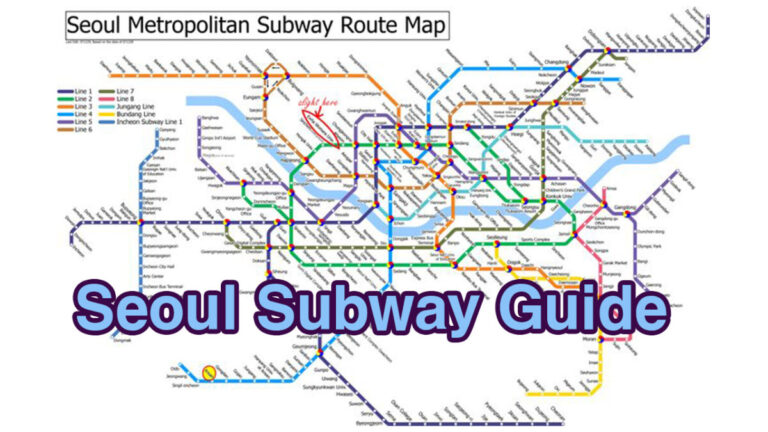
INTERNAL_LINKS: Seoul Subway Guide
EXTERNAL_LINKS: T-money Official Website, Cashbee Official Website, Naver Map